Showing posts with label new construction loan. Show all posts

Friday, June 3, 2016

Diary of Building A House: New Construction Loan (The Down & Dirty)

Updated on 2/22/2017
So let me start by saying, "There's a reason people warn against doing a new construction loan". The process is tedious and can be daunting, to say the least. Although, it's all good- just expect it.

I wish I would've been better prepared with the real details of what we needed before I even spoke to the bank because, they (The Bank) can't do anything until you have all of your ducks in a row. ( This is assuming you have been at least pre-approved for the purchase amount you want to finance.)
I've had some emails asking about the details of the loan process so I thought I'd post about it, however, since this is super boring if you're not building a house, let me redirect you to our PINTEREST page for your viewing pleasure. :) CLICK HERE FOR INSPIRING HOME IDEAS 

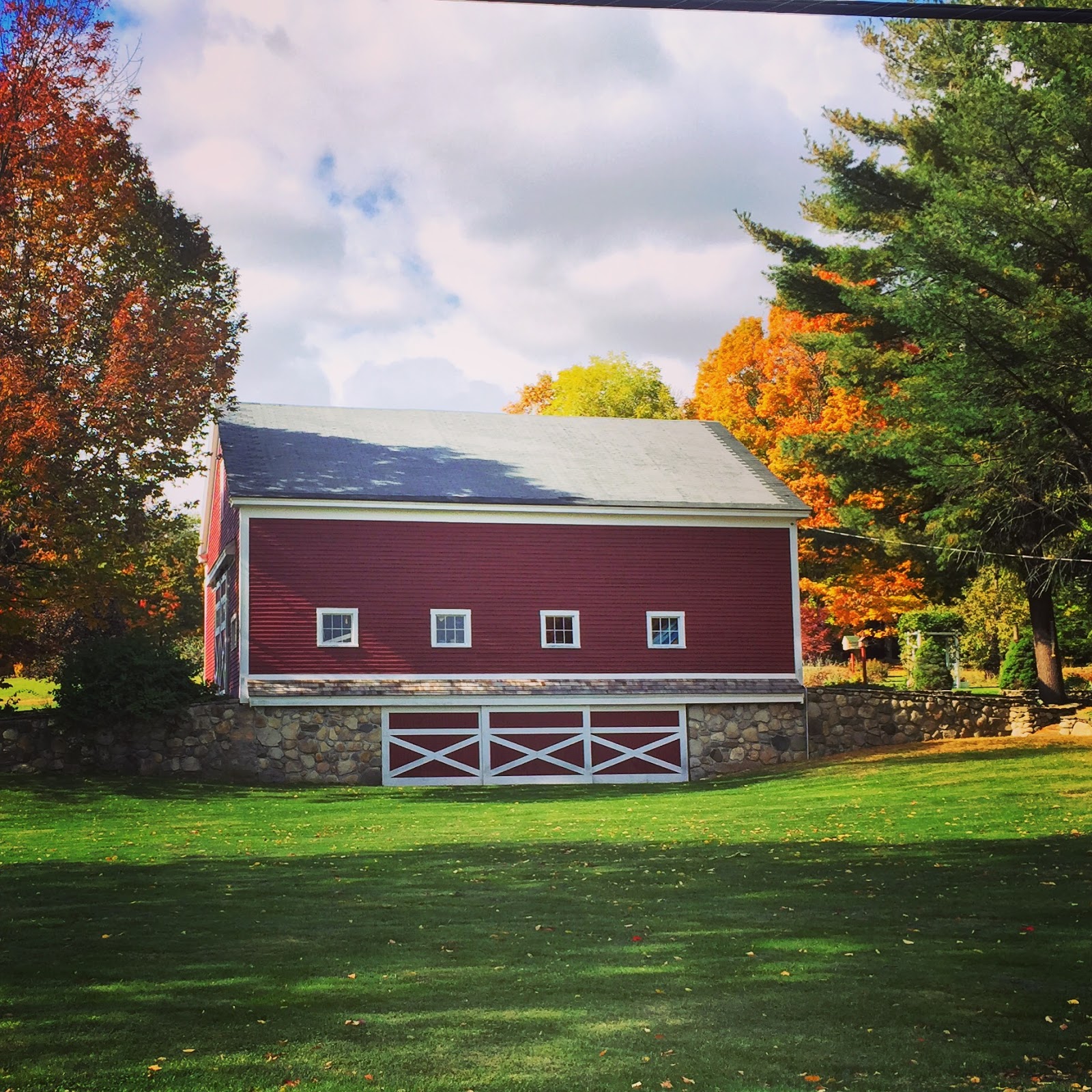
In the first post, I got to the basics about prepping all of the estimates. Now let's talk about the reality of just how much money you'll likely need to gather. ( I'll add some photos of houses to keep the warm and fuzzy vibe going. hee hee)


In our case, we sold our house with the goal of taking the equity/profits as down payment for the house we wanted to build. This meant that we had to lease a place to live while the house is under construction. So with that said, have to consider current living cost plus taking on the needs of the new house.

So PRIOR to closing, here is an example of the cash requirements that needed to be met:
(Keeping mind, this is only what I have experienced doing a conventional, 30 year,  adjustable after 36 months, new construction loan. (The rates are so low right now. Even the max adjustable % rate after the 36 months is very low) We purchased the land first and closed on the land. This can be good if you need a little extra time to work through the process and site work. We actually had most of the site work done before we closed on the final loan.

1) All of the normal loan stuff, credit check, income verification, tax docs etc.
2) The bank will loan 80% of the appraised value. The rest you'll need to have cash down.

  • We paid cash for the land and closed on the land loan first. The cash that we put down for the land was able to contribute towards the cash needed for final loan.  As a (not my house price) example: If you purchased the land for 100k and paid cash, and your total house loan including land is $500k, the bank would give you 80% of 500k= 400k, you'd need 100k down. But since you already paid 100k cash for the land, you would not need to put any more money as a down payment.
3) We needed to show the estimates for the line items on the "Cost to Build" form. (see post 1) - Understand that this form is only a very, very small part of what the cost actually is. There are so many things missing from the Bank's "Cost to Build" form. I'm shocked they are missing so many details.  I also printed around $300 worth of full size plans to share with contractors in order to get estimates.

4) You need an appraisal from the bank. The appraisal is based on your house plans, finishes, features and sq footage. 

5) In addition to the 20% down, you need to show (as in, show in the bank) an available 10% of the total cost to build as "cash reserves. The bank will ask for copies of proof of the funds available. The bank holds back this last 10% of money until you get a Certificate of Occupancy, the house is finished and inspected by the bank. This seems like a kick in the pants but here is my advice; "You'll need a heck of alot more than 10%, so be prepared. Facts." There are no amount of spreadsheets in the world that can prep you for the costly things that come up.


6) Pay for a septic design and permits and show proof of approvals. ($1k +) * If you're on town water and sewer, you'll be happy to skip this step. 

7) Acquire a building permit, which included more taxes and town fees. (This is in the thousands)

8)  Need to draw up a contract with your Builder, GC and references for both, plus cert. of insurance.

9) The bank also holds back the funds for the last 15% of the total cost until the house is completely finished. That means you'll need to front that money to finish the house, get your certificate of occupancy, and THEN the bank will fund the final 15%. Oh, great. More cash needed. This is why Builders hold things like shower glass, mirrors and such until the last minute. It's like, what can I charge on a credit card to get the house finished and then pay myself back once the bank funds the final payment. 


Well, HELLO there Debbie Downer, yes you'll need some flowing cash. The 20% down payment quickly becomes the least of worries. I can tell you, I was so not aware of this and I did not read about these shenanigans on the interwebs anywhere. But thankfully, we pulled that out of who knows where, and got it together. And now we forge onward, with lots of coffee. 


 There's no turning back now. 


Wednesday, May 4, 2016

Diary of Building A House: The Beginning (Land & Design)

Welcome to the first post in a long series, journaling the process of building a new custom home, truly from scratch. Like, from my brain to completion scratch, new construction design. I've been working on this for, well basically my whole life, and from tear sheets of magazines from 20 years ago until today, I'm finally getting this show on the road. (Minus the 3 million dollars I could really use :)

As a designer and a consultant for new construction, I have some insight into the construction and finishes however, the financial process and the little details behind the scenes are a daily surprise. Building on your own land is very different than buying a new build in a subdivision. I was able to act as the General Contractor along with my Builder because of my profession. (I had to provide references and resume.)
I've spent many hours reading blogs about building but I haven't seen one that stands out with a specific trail of what, when and how much. Since we are doing a new construction loan, there are ALOT of details and hoops to jump through. I thought it would be helpful to document this journey with things I especially learned, wish I had known, and I'll try to be as transparent as possible with basic costs. (Only because when I was doing this, I had no idea what cost to expect and it was frustrating!) I'll put specifics under paragraphs called "Boring Details" if you're interested, otherwise just skip that part.

The house is in New Hampshire, about 40 miles outside of Boston. The town has an equestrian influence with beautiful antique homes dating back to the 1700's. Many of the homes are hip roof Colonials which is what drew me to this town. 


It's such a cute New England town.


So long story short,  I wanted to design my own house because I didn't want to work around the parameters of an existing plan. I found a building lot by driving around the town and asking questions. Our lot was not listed in MLS but I spotted a Builder in town working on a new house and I stopped to chat. I asked him if he had any land available and he said, "As a matter of fact, I do!" He proceeded to show me 6 acres of just what I was looking for. He had some of the groundwork already done, like perk test for the well and a site survey to know where the best spot for a house would be. It was important that I was able to use a Builder (I actually ended up using him) that would work with me doing my own thing and purchase my own product with my trade discount. We became fast friends and ended up buying the land.

BORING DETAILS: The land was in "Current Use". This is important to know because there is a big tax (ours was 10% of the purchase price) when you "move the dirt" or take your land out of current use. We negotiated having the Seller pay that tax at closing because we knew we'd be hit with it. That money went into an escrow acct. and when we got the invoice from the town a few months later, we contacted the closing Attorney and they paid it with those escrowed funds. There was also another tax called an "impact fee" for a few thousand dollars. Make sure you ask what taxes and fees will be on using the land. When you're trying to hoard cash, coming up with thousands of dollars can derail your plans. 


My inspiration was based on the exterior of this house in Belgium. 


I sketched the interior floor plan I wanted and took the sketch to an Architect to do some mark ups to fix the scale. ( I paid around a thousand dollars) It ended up looking like this:


I took this plan to an Engineer to create actual stamped construction plans. (cost approx 7k).  
In this part of NH, we have private septic system, so with this plan I had a Land Engineer design the septic system and get it state approved. (approx $1500) So far, all of these fees are paid out of pocket just preparing to go to the bank for the house loan. 


Now that I had the construction plans, I began getting quotes for every little detail. I had Staples make 6 full sized copies so I could give to the Builder and subs for quotes. Before I took these plans to the town to get my building permit, I wanted to know what this bugger is going to cost to ensure that I can even do this. Whew, this is scary. I think you could estimate between $150-200 dollars per sq ft for mid-grade finishes at cost. If you're paying retail, you can expect much more.


Here are the basic headers for the budget worksheet, and then of course there are many details under these headers:

  • Sitework
  • Foundation
  • Septic System
  • Well
  • Frame House & Garage
  • Roofing & Siding
  • Windows/Exterior Doors
  • Plumbing 
  • Heating 
  • Electrical
  • Insulation
  • Drywall
  • Cabinets/Countertops
  • Appliances
  • Painting
  • Flooring
  • Fireplaces
  • Decks/Steps
  • Finish Landscaping
  • OTHER
  • 10% Reserves (New Construction Loan requirement. Amt may vary, ask your bank)
  • Land Purchase
That should keep ya busy for a while. :) Make sure you get your quotes in writing with specifics because the bank wants to see each estimate. So far, from closing on the land up to getting through all bank requirements, it has been 6 months. 

Thanks for joining me on this journey! Stay tuned, next up, more about financing a new construction loan and what you'll likely need before you even get to the bank!


Emmi is exhausted and we've just begun.


I'd love to hear any tips you have for me too!